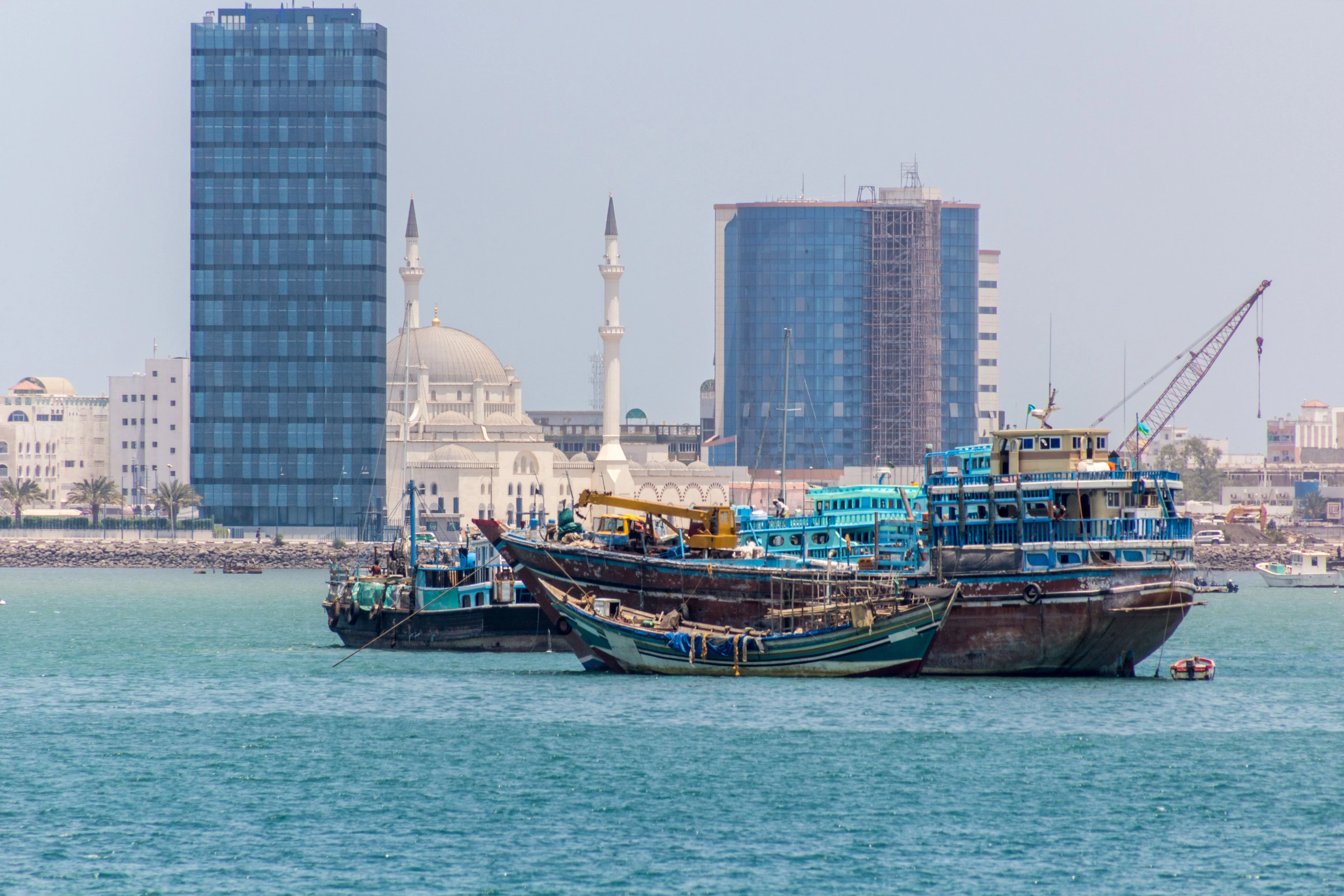
Djibouti is a land of striking contrasts?volcanic landscapes, salt lakes, pristine seas, and ancient cultures shaped by the desert and the ocean. Traveling here is a unique privilege, and practicing respectful tourism helps preserve the country's natural beauty and cultural heritage while creating meaningful exchanges with local communities.
1. Respect Local Culture and Traditions
Djibouti is home to rich cultural traditions, mainly influenced by Afar and Somali communities. Modest dress is appreciated, especially in towns, villages, and religious sites. Visitors are encouraged to ask permission before photographing people, particularly elders and local communities, as a sign of respect.
Understanding local customs, such as greetings and social etiquette, can greatly enhance your experience and show appreciation for Djibouti?s cultural diversity.
2. Support Local Communities
Choosing local guides, drivers, and family-owned businesses allows tourism to directly benefit the people of Djibouti. Buying locally made crafts, eating in local restaurants, and staying in locally operated accommodations help sustain livelihoods and preserve traditional knowledge.
At Assal Trip, we prioritize partnerships with local cooperatives and small businesses to ensure that your visit contributes positively to the local economy.
3. Minimize Environmental Impact
Djibouti?s fragile ecosystems?from coral reefs to desert landscapes?require careful attention. We encourage travelers to:
• Use reef-safe sunscreen
• Avoid single-use plastics
• Stay on marked trails during hikes
• Respect wildlife by observing from a distance
• Dispose of waste responsibly
4. Engage in Meaningful Exchange
Take time to learn about Djibouti?s history, languages, and way of life. Engaging respectfully with locals?whether through conversation, shared meals, or cultural activities?enriches your journey and fosters mutual understanding.
Ask questions, listen actively, and remain open to new perspectives. Your genuine interest can turn a simple trip into a transformative experience.
5. Travel with Awareness
Be mindful of the resources you use, especially water and energy. Djibouti faces water scarcity, so conserving water in accommodations and during activities is crucial.
Support conservation initiatives and community projects when possible. Your choices as a traveler can help protect Djibouti?s natural and cultural treasures for future generations.
By traveling with respect and intention, you become part of a growing movement of conscious travelers who leave a positive footprint. At Assal Trip, we are committed to promoting sustainable tourism practices that honor both people and planet.
Ready to travel responsibly? Explore our sustainable tour packages and start planning your meaningful journey to Djibouti today.